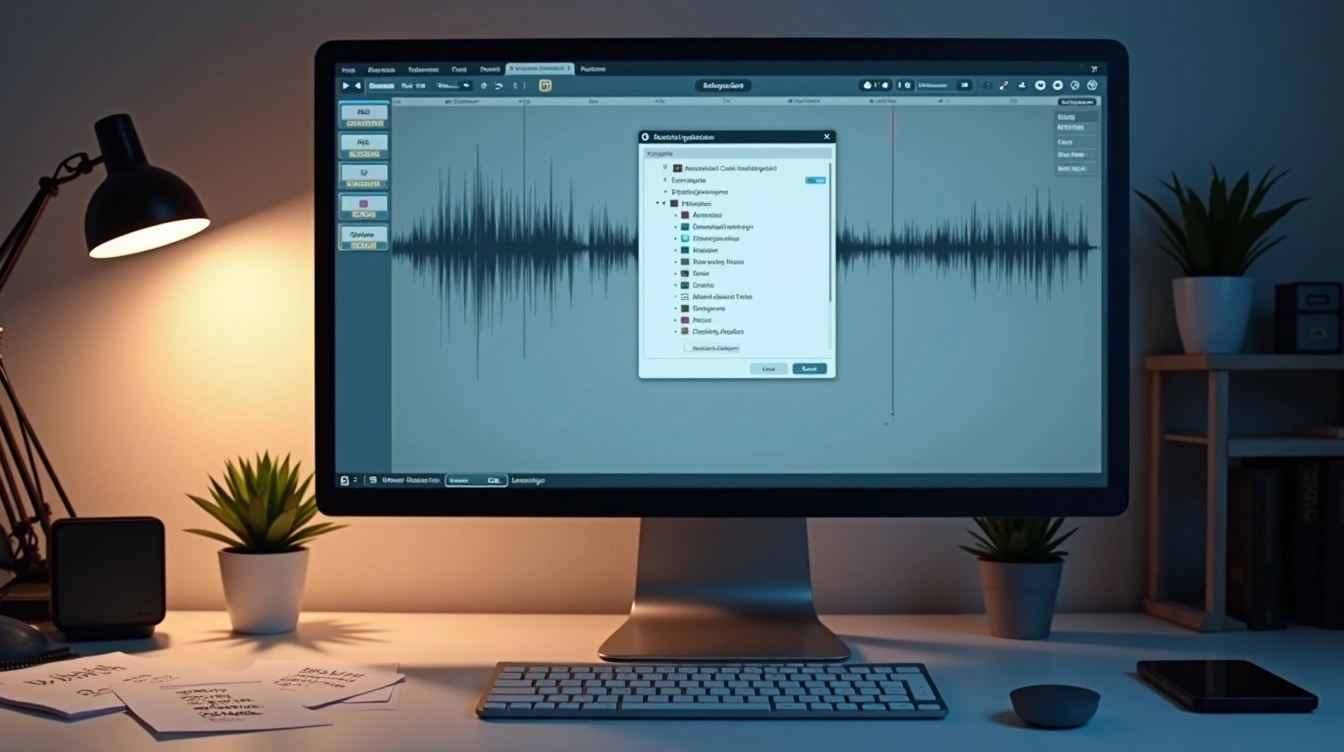
Transcri turns spoken words into organized knowledge across languages. As global collaboration grows, simple audio-to-text tools no longer suffice. Modern solutions now offer multilingual transcription with the accuracy and workflow integrations that teams need to scale.
Why multi-language support is crucial in transcription?
Breaking language barriers matters for any organization that handles international content. Manual transcription across languages is slow and costly, while multiple language support enables fast conversion of meetings, interviews, and media into usable text.
Also to read : What is the significance of data privacy regulations for UK tech firms?
This capability also improves accessibility. With automated captioning and subtitling, audio and video reach wider audiences, including people who are deaf or hard of hearing and those learning another language. High accuracy reduces costly errors in fields like healthcare, law, and education.
Main features of modern transcription software
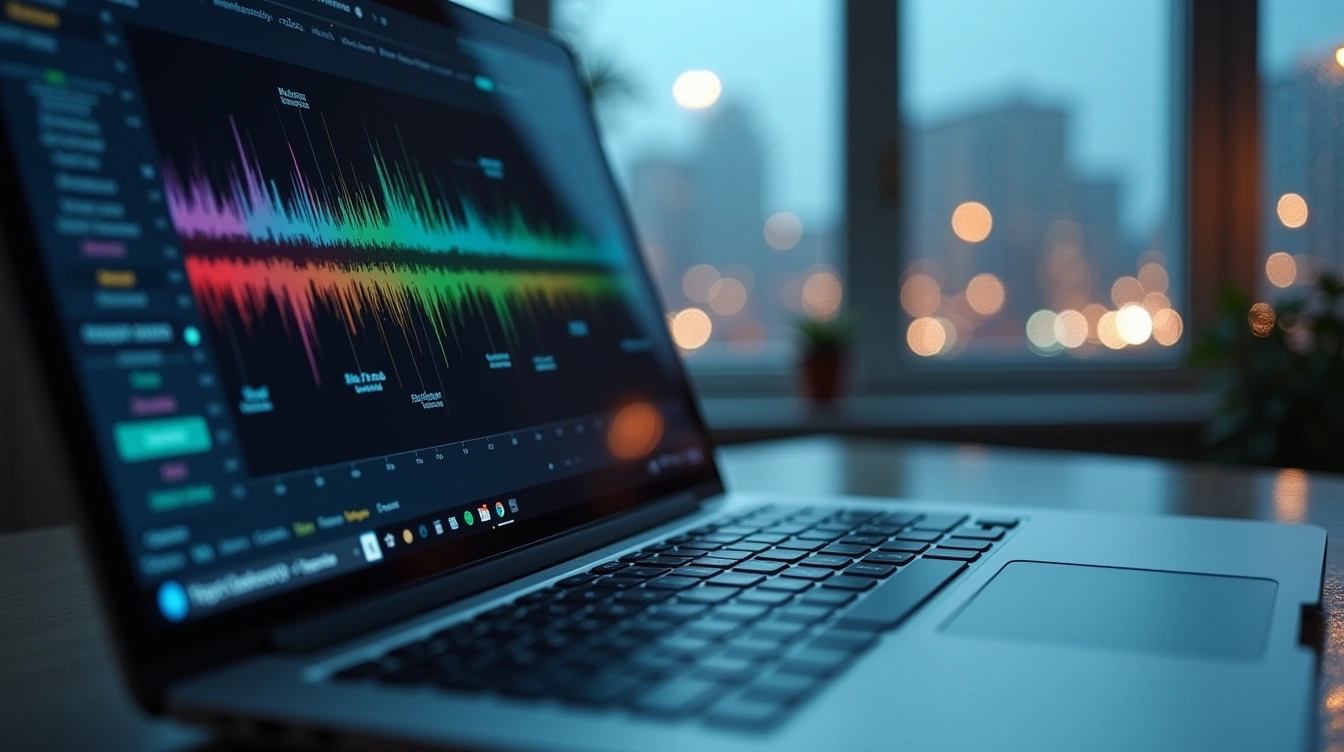
Leading platforms use advanced neural networks to provide AI-powered transcription that handles noisy recordings and varied accents. Users expect features such as speaker identification, timestamps, and automatic punctuation for polished transcripts. Tools like transcri are at the forefront of these innovations.
This might interest you : Exploring the uk’s role in driving digital innovation across traditional sectors
These solutions accept many input types, from live conferences to recorded podcasts, and offer flexible export options. That makes it easy to plug transcripts into editing tools, CMS systems, or research workflows.
- 🌍 Multilingual transcription: Instantly process files in different languages
- 🤖 AI-powered transcription: Faster, smarter, and scalable audio analysis
- 🗣️ Speaker differentiation: Attribute text to individual speakers automatically
- ⏱️ Timestamping: Help sync audio, video, and transcript lines for editing
- ⚡ Video to text: Directly extract dialogue from multimedia files
- ✍️ Captioning and subtitling: Streamline subtitles creation for diverse viewers
The importance of high accuracy
High accuracy distinguishes professional transcription from basic dictation. Low error rates matter when nuance changes meaning, such as in legal testimony or clinical notes. Reliable tools detect accents and filter background noise to preserve intent.
Users compare word-error rates because small gains cut post-edit time. Ongoing model updates continue to improve both real-time and offline transcription performance.
Automatic transcription and workflow integration
Automatic transcription speeds work and connects to existing systems. By exporting transcripts to note apps or video editors, teams remove repetitive tasks and speed content production.
APIs enable developers to build voice-driven features without reinventing core speech-to-text. As voice interfaces grow, these systems power customer support bots, virtual assistants, and searchable audio archives.
Comparing transcription technologies: table overview
Performance varies by architecture and target use. The table below highlights common differences between basic and advanced tools so you can match features to needs.
Advanced solutions typically combine broad language coverage with strong export options and integration features. That makes them suitable for teams that need both scale and precision.
| 🚩 Feature | 🎤 Basic tools | 🤖 Advanced solutions |
|---|---|---|
| Multiple language support | Limited (1–2) | Up to 100+ |
| AI-powered transcription | No | Yes |
| Video to text capability | Rare | Standard |
| Captioning and subtitling | Basic | Professional quality |
| High accuracy | Variable | Consistently high |
| Speaker identification | No | Yes |
| Translation of transcripts | Manual | Instant or automated |
Where are audio and video transcription solutions used?
Media teams use video to text tools to index content and speed publishing. Healthcare providers convert consultations to structured notes for secure records and faster billing.
In education, lecture capture and multilingual transcripts expand access for international learners. Corporations record meetings and brainstorming sessions to improve accountability and decision tracking.
Subtitling and translation for global audiences
Streaming platforms and broadcasters rely on fast captioning and subtitling to meet regulations and reach viewers in different regions. Automated translation reduces turnaround for multilingual releases.
Social media managers add subtitles to increase engagement, especially where autoplay is muted. Accurate translations also smooth communication across multinational teams and clients.
Real-world examples and practical outcomes
Conference organizers provide near-instant, multilingual session notes so attendees can follow talks in their language. Researchers convert interviews from several countries into comparable transcripts for analysis.
Podcasters and video creators use automatic transcription to generate show notes, improve SEO, and make archives discoverable. NGOs in the field rely on cloud-based tools that maintain readability despite varied accents and connectivity.
Frequently asked questions about multilingual transcription
This FAQ section answers common concerns about technology, benefits, and typical use cases. Read on for concise, practical explanations.
The answers reflect current capabilities of leading tools, including instant translation, speaker diarization, and API-driven automation.
How does multi-language audio transcription software work?
- 🌎 Detection of multiple languages within a single recording
- 🤖 Automated punctuation and segmentation
- 🎯 Real-time or batch processing modes for scalability
What are the main benefits of automatic transcription for businesses?
- 🛠️ Easy integration with project management and CRM tools
- 📋 Improved compliance and meeting record-keeping
- 🔎 Better accessibility and discoverability for valuable insights
| 🚀 Impact | 💡 Value |
|---|---|
| Workflow automation | Efficiency gains |
| Error reduction | Higher confidence in records |
Can transcription software translate transcripts automatically?
- 🌐 Publishing multilingual reports or articles
- 📢 Launching global marketing campaigns
- 📑 Creating subtitles or captions in varied languages
Who needs video to text and captioning services most?
- 📺 Production studios and film directors
- 🎓 Online educators and universities
- 👩💼 International enterprises with distributed teams
Multi-language transcription tools such as Transcri reshape how organizations capture and reuse spoken content. They combine audio to text accuracy with translation, captioning, and integration to reduce manual work and extend reach.
To evaluate options, compare language coverage, error rates, and API capabilities. Pilot a workflow with representative audio to measure real-world accuracy and integration speed. That will reveal whether a platform meets your operational needs and scaling plans.