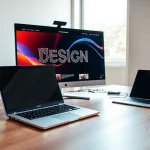
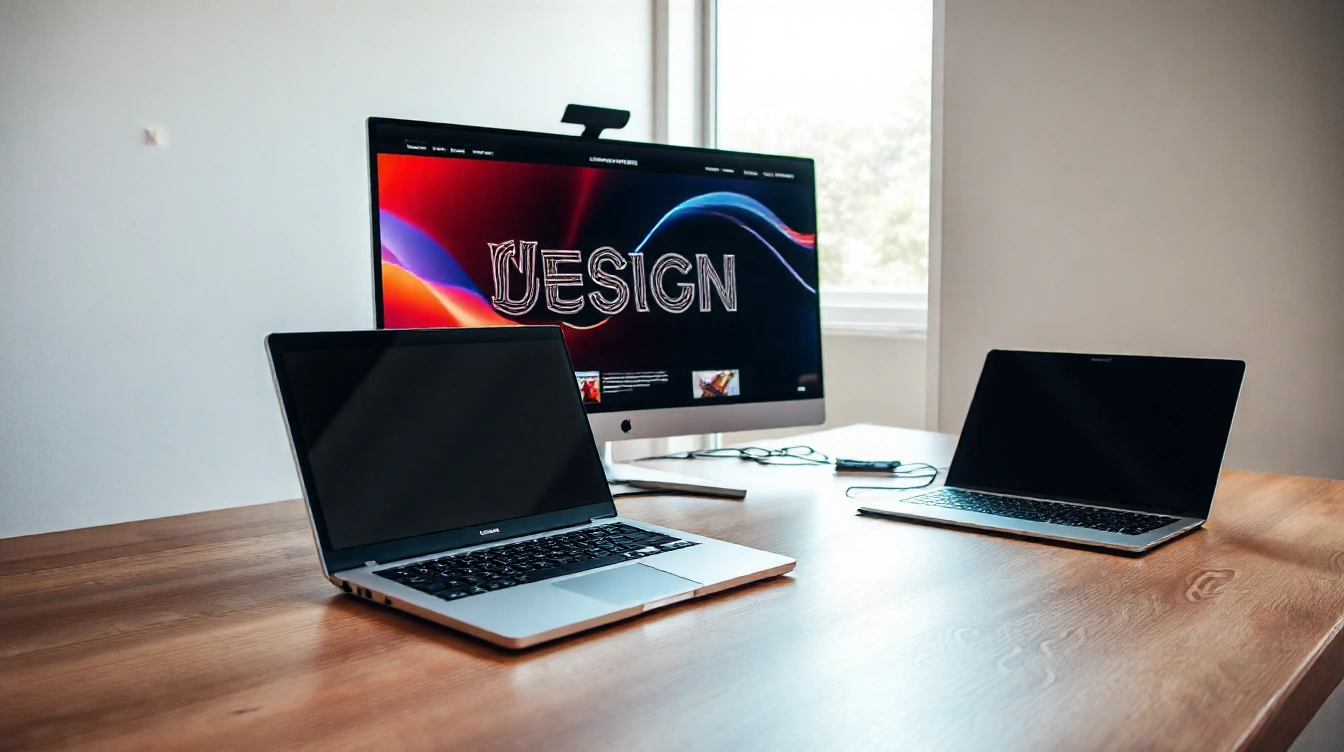
Choosing the right mockup generator transforms a simple design into a compelling visual presentation that resonates with clients and stakeholders. This selection highlights top-rated tools, each with unique features tailored to different design needs. Whether prioritising customisability, ease of use, or real-time previews, understanding these options helps designers showcase their work with clarity and professionalism. Explore how these tools elevate your designs from concept to striking reality.
Best Mockup Generator Tools for Presenting Design Work
Choosing among the top mockup generator tools can significantly impact how effectively designers showcase their creations. The best design presentation software offers intuitive interfaces, extensive template libraries, and customization options that align with professional standards. When conducting a mockup tools comparison, one should consider aspects such as ease of use, variety of device frames, export quality, and integration capabilities with other design platforms.
Topic to read : Best mockup generator tools to showcase your designs
Our assessment methodology prioritizes tools that enable quick adaptation to different project needs while maintaining high visual fidelity. This includes evaluating how seamlessly a tool supports multiple file formats, the diversity of mockup scenes available, and whether it offers drag-and-drop functionality for effortless design placement.
The importance of mockup presentation for designers goes beyond mere aesthetics it directly influences client communication and feedback efficiency. Clear, realistic mockups help clients visualize the final product, reducing misunderstandings and accelerating approval cycles. Exploring options like advanced layer management and real-time preview can provide added value, empowering designers to create compelling narratives around their work.
Topic to read : What Impact Does the Latest Computing Technology Have on Marketing Strategies?
For designers eager to experiment with various mockup types, exploring a comprehensive collection of tools can be helpful: https://mediamodifier.com/mockups/all. This platform allows testing multiple mockup generators under a unified interface, facilitating better-informed decisions.
Feature Comparison of Leading Mockup Generator Tools
When selecting a mockup generator in 2026, understanding the varying mockup tool features is crucial to make a well-informed choice. Design mockup software comparison helps clarify which platforms excel in usability, versatility, and value, especially for professionals seeking efficient visual presentations.
Most top-tier mockup generators support a wide range of file types, including high-resolution JPEG, PNG, SVG, and sometimes PSD formats. This flexibility ensures designers can seamlessly incorporate their creations. Pricing tiers vary from free basic access offering limited templates and export options to premium subscriptions that unlock advanced functionalities like unlimited projects, collaborative tools, and priority rendering.
Standout functionalities significantly impact productivity and creativity. For instance, some tools offer extensive template libraries that cover categories from tech devices to apparel, enabling users to quickly visualize their designs without starting from scratch. Customisability remains a highlighted feature, allowing adjustments to background colors, shadows, and perspectives, thereby elevating presentation quality. Additionally, real-time previews provide immediate feedback on how designs look in different contexts, reducing guesswork and minimizing revision cycles.
Market updates introduce new entrants boasting competitive features for example, AI-powered smart adjustment tools that auto-fit designs onto mockup surfaces and improved user interfaces for smoother navigation. These innovations are reshaping expectations, emphasizing ease of use alongside professional-grade output.
Detailed Overviews and Pros & Cons of Each Recommended Tool
Understanding the strengths and limitations of different mockup tools is essential when selecting the right design software. This designer software overview breaks down key features, usability, pricing, and feedback to help you decide. These mockup tool reviews focus on practical insights for both beginners and seasoned designers.
The first factor to consider in any design tool is its feature set. A robust mockup tool should offer a variety of templates, easy drag-and-drop interfaces, and customizable options that support diverse project needs. Pricing varies widely, so knowing what fits your budget without compromising quality is crucial. Usability, including how intuitive the interface feels and how well the tool integrates with other software, plays a significant role in overall satisfaction.
These tools often come with their own pros and cons:
- Some prioritize simplicity, making them perfect for quick mockups but limiting advanced customization.
- Others offer extensive libraries and collaboration features but may have steeper learning curves.
- Pricing structures can involve monthly subscriptions, one-time fees, or freemium models, each with trade-offs regarding access to premium features and support.
Real user reviews highlight that the best choice depends heavily on your workflow. Those needing efficient, straightforward designs often rate ease of use and template quality highest. Advanced users focus more on integration capabilities and fine-tuned control.
Visual Examples of Mockups Created with Top Tools
Exploring mockup examples is essential to grasp how versatile and powerful the best mockup templates can be for various design needs. Design showcase tools allow creators to visualize concepts clearly, enhancing presentations and client approvals.
For instance, a user-interface designer can leverage a design showcase tool to produce sleek mobile app mockups, capturing realistic screen transitions and layouts. In these mockup examples, the tools often feature drag-and-drop interfaces and customizable layers that make exploring design variations straightforward and efficient.
Branding projects benefit greatly from mockups that simulate real-world appearances think logos on business cards or storefront signs. The best mockup templates for such use cases provide photorealistic textures and lighting effects, rendering a tangible feel even in the digital format. This ability helps stakeholders see how a brand will resonate in everyday contexts.
Product packaging mockups further illustrate these capabilities. Tools that excel here offer detailed 3D views and allow for quick adjustments in colors and materials. This visual depth is invaluable for decision-making during the design process.
Choosing the Best Mockup Generator for Your Design Needs
Selecting the best tool for designers hinges on aligning the mockup generator’s capabilities with your specific project requirements. Start by assessing the types of designs you typically create—whether they involve web interfaces, product packaging, or marketing materials and then determine which mockup tools offer the features that best support those formats. For example, some generators excel with detailed 3D product views, while others prioritize ease of use and quick setup.
File compatibility is critical. Ensure your chosen mockup generator supports the file formats you commonly use, such as PSD, AI, or SVG. This compatibility makes importing and editing seamless, significantly enhancing workflow efficiency. Platform integrations also play a decisive role; if you collaborate using tools like Adobe Creative Cloud or Figma, consider generators with direct syncing capabilities to streamline your creative process.
Pricing models can vary from free versions with limited features to subscription plans offering extensive asset libraries and customization options. Weigh these costs against your budget and project volume to find a solution that offers the strongest value without compromising quality.